Contents
As a small business owner, offering benefits isn’t just a perk—it’s a must. Today’s employees expect more than just a paycheck. They want flexibility, support, and a path to long-term financial wellness.
At the same time, state-level regulations are ramping up, requiring many businesses to provide health insurance and retirement options or face penalties.
So, how can small businesses with limited resources keep up? By being smart, strategic, and creative. Let’s explore how you can build a competitive and compliant benefits package—without breaking the bank.
1. Wellness Programs
Wellness perks are a low-cost, high-impact way to support your team and boost morale. Consider:
- Gym stipends or fitness app subscriptions
- Access to mental health platforms
- Nutrition or wellness webinars
These small investments help employees feel seen and supported—and they’re easy to implement.
2. Sick & Mental Health Days
Encouraging employees to take time off when they’re unwell (physically or mentally) shows you care about their well-being. Designated sick or mental health days can:
- Foster a healthier, more productive team
- Reduce burnout
- Improve workplace culture
Bonus: These costs are tax-deductible for your business.
3. Employee Recognition & Bonuses
Recognition doesn’t have to cost much to be effective. Boost morale with:
- Holiday or end-of-year bonuses
- Spot bonuses for standout performance
- Service awards for work anniversaries or milestones
- Sales commissions or incentive-based rewards
Let employees know their hard work matters. Even small bonuses can go a long way in building loyalty.
4. Opportunities for Growth
People want to grow in their careers—and your support can mean a lot. Consider offering:
- Stipends for courses or certifications
- Access to training platforms or workshops
Helping employees learn and grow builds trust and strengthens your team’s skill set.
5. Retirement Plans
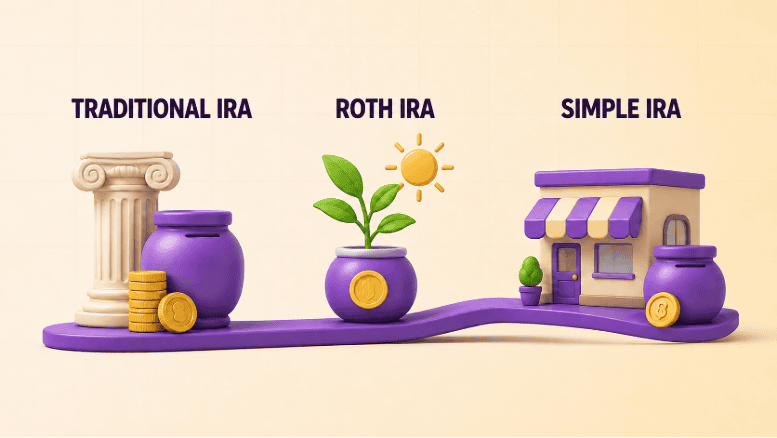
Nearly every state now requires—or is working toward requiring—businesses to offer retirement plans for their employees. Instead of defaulting to expensive and complex 401(k)s, small businesses have smarter options:
- SIMPLE IRAs – Great for businesses with fewer than 100 employees
- SEP IRAs – Perfect for self-employed or owner-only businesses
6. Flexible Work Options
Remote and hybrid work aren’t just trendy—they’re effective. Offering flexible work:
- Supports work-life balance
- Reduces office overhead
- Helps retain caregivers and working parents
- Costs your business nothing
It’s a win-win.
Final Thoughts
You don’t need a huge budget to offer meaningful benefits. With the right strategy and tools, small businesses can attract and retain great talent—while staying compliant and competitive.
Want a simple, affordable way to start? Check out WealthRabbit’s small business retirement plans today.
Not sure which plan fits?
Answer three quick questions about team size and budget - we'll match you to a plan, no reading required.